
Counseling CASAC 350-Hour Certificate

MS in Counseling CASAC 350 Hour Certificate Overview
Mercy University CASAC-T Program is an OASAS Certified Education Training Program. The courses have been approved by the New York State Office of Alcoholism and Substance Abuse Services (OASAS), satisfying the educational requirements for state certification. With the competitive market for counselors and mental health providers, your CASAC-T Certification paves the way for both direct patient care and supervisory positions in the area of substance abuse and addiction.

The intensive program at Mercy University will specifically prepare you for the five domains for CASAC preparation including assessment, counseling, case management, client, family and community education, and professional responsibility. Mercy University students receive the professional training and ethical knowledge base which will enable them to provide alcoholism and substance abuse counseling in one of the most progressive fields.
Certificate Objectives
With the competitive market for counselors and mental health providers, your CASAC Certification will pave the way for both direct patient care and supervisory positions in the area of substance abuse and addiction. The intensive program at Mercy University will specifically prepare you for the five domains for CASAC preparation including:
- Assessment
- Counseling
- Case management
- Client, family and community education
- Professional responsibility
Degree Requirements
Students who are interested in fulfilling the CASAC- 350 Educational Clock hours can complete the e-Portfolio; by answering a series of questions which demonstrate one’s acquisition of knowledge and its application to working with substance abuse populations. Questions are based on all of the Curriculum Core Courses. Students are not required to answer all questions; they may choose from any series of questions totaling the 350 Clock Hours.
ePortfolio requirements will not be applicable to the four specific substance abuse classes For these classes, partial fulfillment of the OASAS-CASAC-350 Hour Standardized Curriculum is embedded in the course syllabi’s’ goals and objectives. It is strongly recommended that students, who wish to earn the
Accreditations
The Mercy University curriculum has been approved by the New York State Office of Alcoholism and Substance Abuse Services (OASAS) which is the agency in this state which credentials alcoholism and substance abuse providers. The CASAC License is nationally and internationally transportable, thereby, allowing its recipients to practice anywhere in the world.
Frequently Asked Questions
These are just some of the services provided by Mercy University: caring and trained admission counselors; knowledgeable financial aid representatives which provide personalized assistance both in person and online; dedicated advising professionals who will work with you throughout your tenure at Mercy University; counseling services which can provide you with support services and make referrals as needed to outside agencies; comprehensive library and online access to medical and psychological databases; state of the art computer facilities at all major campuses with convenient day and evening hours; learning center resources which can assist you with all your academics needs.
Yes you will be able to take the exam once OASAS has reviewed and approved your application and the 350 Hour Educational Certificate issued by Mercy University. A $100.00 non refundable certified check or money order payable to OASAS is also required. They in turn will issue your CASAC-T certification. Remember that you are still required to complete 2000 hours in the field before being awarded your State Certification.
Remember, all experience is important and will be assessed as partial fulfillment of the 6000 hours of practical experience.
Naturally, approval of OASAS facilities are automatically accepted, however, there are many other facilities of internship including State run facilities and even some private practices which are also acceptable sites.
All lead faculties associated with the program have earned their Ph.D.'s and Doctorate Degrees. Lead instructors are augmented by Adjunct Professors who are CASAC's or knowledgeable in the field of addiction and recovery. They are closely supervised by the program director. All programs needs have been met by our faculty. In addition, school support services are provided for all students who are in need of said services.
You will acquire a total of 350 hours which satisfies the educational requirement for your CASAC-T certification.
Curriculum
The CASAC Program satisfies the 350 Educational Clock Hours under the Office of Alcoholism and Substance Abuse (OASAS) “which address the full range of knowledge, skills and professional techniques related to chemical dependence counseling.” Specifically:
- CNSL 630 Counseling and Ethics
- CNSL 640 Human Development I
- CNSL 650 Counseling and Application I
- CNSL 673 Research Methodology
- CNSL 648 Diagnosis and Treatment
- CNSL 651 Mlticltrl Prspctives in Cnslng
- CNSL 655 Counseling and Application II
- CNSL 660 Practicum in Group Work
- CNSL 665 Career Devlpmnt and Cnslng
- CNSL 667 Diagnostic Tools: Measurement
- CNSL 684 Intrnshp I: School Setting
- CNSL 678 Aspcts Alchlsm & Sbstnc Abuse
- CNSL 501 Causes/Treatment of Drug Prblm
- CNSL 502 Sbstnc Abuse: Prvntn&Intrvntn
- CNSL 674 Thry & Prncpl of Sbstnc Cnslng
Each course represents 45.0 CASAC Clock Hours with the exception of Internship which must be taken as a 6 credit course and represents 90.0 CASAC Clock Hours.
| Knowledge Clock Hours | Counseling Clock Hours | Assessment Clock Hours | Ethics Clock Hours | ||
| 1. | CNSL 630 Counseling Ethics | 9 Clock Hours | 36 Clock Hours | ||
| 2. | CNSL 640 Human Development I | 25 Clock Hours | 20 Clock Hours | 6 Clock Hours | 2 Clock Hours |
| 3. | CNSL 650 Counseling Applications I | 12 Clock Hours | 25 Clock Hours | 6 Clock Hours | 2 Clock Hours |
| 4. | CNSL 673 Research Methodology | 45 Clock Hours | |||
| 5. | CNSL 648 Mental Health Counseling Diagnosis and Treatment* | 6 Clock Hours | 9 Clock Hours | 30 Clock Hours | |
| 6. | CNSL 651 Multicultural Perspectives in Counseling | 10 Clock Hours | 33 Clock Hours | 2 Clock Hours | |
| 7. | CNSL 655 Counseling and Applications II | 20 Clock Hours | 10 Clock Hours | 10 Clock Hours | 5 Clock Hours |
| 8. | CNSL 660 Practicum in Group Work | 6 Clock Hours | 30 Clock Hours | 9 Clock Hours | |
| 9. | CNSL 665 Career Development and Counseling | 5 Clock Hours | 35 Clock Hours | 5 Clock Hours | |
| 10. | CNSL 667 Diagnostic Tools for Measurement | 30 Clock Hours | 3 Clock Hours | 12 Clock Hours | |
| 11. | CNSL 684 Supervised Internship | 60 Clock Hours | 30 Clock Hours | ||
| 12. | CNSL 685 Supervised Internship School Setting | 45 Clock Hours | 30 Clock Hours | 15 Clock Hours | |
| 13. | CNSL 678 Psychological, Physiological & Pharmacological Aspects of Alcohol and Substance Abuse | 15 Clock Hours | 15 Clock Hours | 7.5 Clock Hours | 7.5 Clock Hours |
| 14. | CNSL 501 Causes and Treatment of Drug Abuse Problems | 30 Clock Hours | 9 Clock Hours | 3 Clock Hours | 3 Clock Hours |
| 15. | CNSL 502 Substance Abuse: Prevention and Intervention | 30 Clock Hours | 6 Clock Hours | 6 Clock Hours | 3 Clock Hours |
| 18 | CNSL 674 Theories Principles Substance Abuse Counseling | 6 Clock Hours | 21 Clock Hours | 12 Clock Hours | 6 Clock Hours |
* As of September 2013 CNSL 648 Mental Health Counseling Diagnosis and Treatment has replaced CNSL 642 Human Development II.
Students may also meet a portion of the 350 Clock Hours by enrolling in any of the following courses which presently are not a part of the required curriculum. It is strongly recommended that your electives be taken in one of the following courses:
- CNSL 678 Aspcts Alchlsm & Sbstnc Abuse
- CNSL 501 Causes/Treatment of Drug Prblm
- CNSL 502 Sbstnc Abuse: Prvntn&Intrvntn
- CNSL 674 Thry & Prncpl of Sbstnc Cnslng
Full-Time Faculty
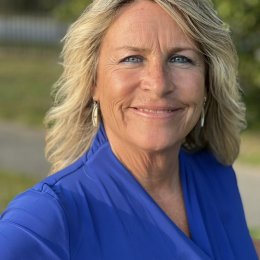
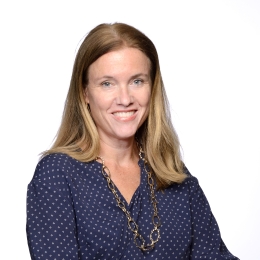
Carolyn T Cullen
- MaH Cottage
- ccullen@mercy.edu
- (914) 674-7745
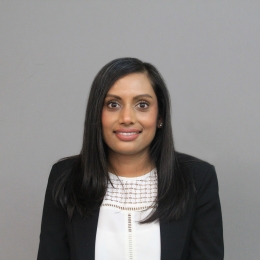
Shakuntala M Ramdas
- BX 2256
- sramdas@mercy.edu
- (914) 323-2509
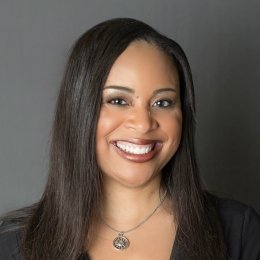
Angelle Elaine Richardson
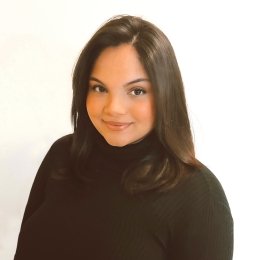
Kay M Vitro
- Mahoney Hall, Rm. 210
- kvitro@mercy.edu
- (914) 888-5329
Part-Time Faculty
Dennis C Andrews
- MaH Cottage
- dandrews1@mercy.edu
- (914) 888-5346