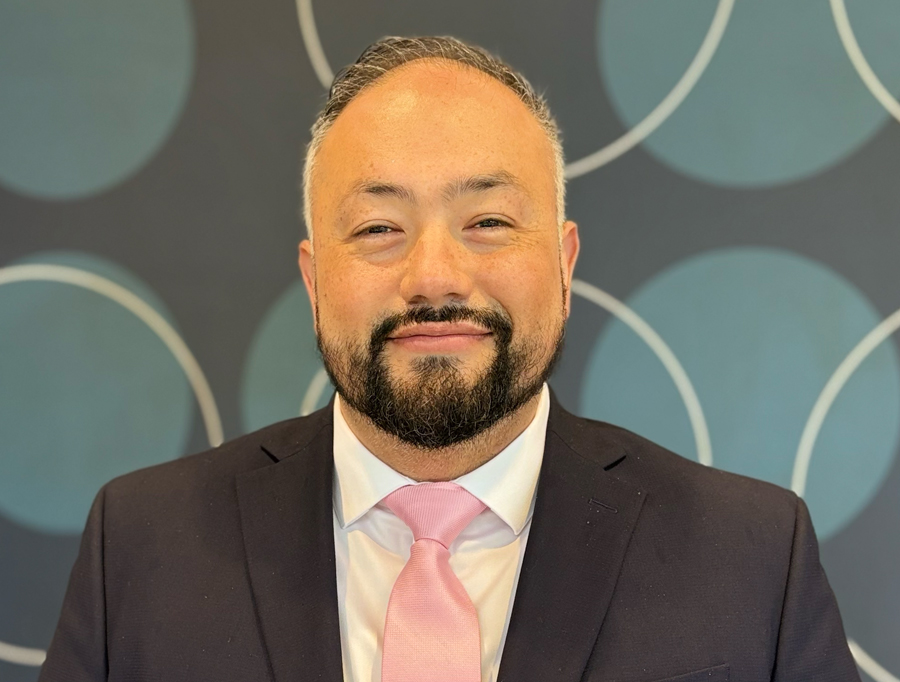
Manley's path to facilities management began with a lifelong interest in systems and operations, and a desire to solve problems that make a tangible impact. After serving as a 68W combat medic in the 69th Infantry Regiment—known as the Fighting 69th—he carried forward the values of preparedness and calm under pressure that define his approach today. Whether managing campus-wide maintenance projects or responding to unexpected emergencies, Manley takes pride in leading a team whose quiet excellence keeps daily life at Mercy running smoothly.
What drew Manley to higher education was the opportunity to make a difference in a community built on service and learning. He views his role as deeply connected to student success, ensuring that every classroom, residence hall and shared space supports comfort and focus. Under his direction, the Facilities Management team has upheld Mercy’s standard of safety and reliability through complex challenges, often resolving issues before they even reach the campus community.
In this Q&A, Manley reflects on his journey from military service to higher education, shares what motivates his team’s behind-the-scenes work, and offers advice for students just beginning their own path forward.
Q&A
What does working at Mercy mean to you?
To me, working at Mercy means serving a mission that is greater than any one individual. As Executive Director of Facilities Management, I take pride in creating a safe, welcoming environment where students and faculty can thrive. It’s an honor to support a community built on compassion, respect and service-values that guide everything we do.
What’s the most rewarding or most challenging part of your role that most people don’t realize?
The most rewarding part is knowing our behind-the-scenes work makes a real difference in the daily lives of students, faculty and staff. The challenge is balancing urgent needs with long-term planning.
What accomplishment are you most proud of in your professional career?
I’m most proud of leading a dedicated team that consistently rises to the challenge. Last year alone, we managed multiple campus emergencies, yet faculty and students were only impacted about 30% of the time. That means in most cases, we kept operations running smoothly without the community even knowing, proof of our team's commitment, coordination and quiet excellence.
What upcoming projects, research or initiatives are you excited about?
I’m most excited about upcoming projects that will enhance our campus spaces for students, faculty and staff. Creating environments that are more functional, welcoming, and supportive of learning and community life is at the heart of what we do, and it’s rewarding to see that vision take shape.
Share a favorite Mercy University memory.
There have been too many, but I’ve always appreciated the sense of community that comes alive during the holiday season.
What’s the most important piece of advice you’d give to a freshman student about to begin their first day at Mercy University?
See it through. The fastest way to get where you want to go is to stay committed, even when it gets tough. Every challenge is part of the journey, just keep showing up, keep pushing forward and trust that the effort will pay off.
Do you have any hidden talents or interesting fact about you that your colleagues at Mercy might be surprised to learn about?
I served as a 68Wiskey combat medic in the 69th Infantry Regiment, also known as the Fighting 69th. It’s a historically significant unit with deep roots and a proud legacy, often referred to as the Fighting Irish. My job was to take care of the soldiers in my platoon and, at times, across the regiment—handling everything from routine flu shots to life-threatening emergencies. I was trained by the U.S. Army to provide medical care under the most intense and high-pressure conditions, always ready to respond when it mattered most.
If your life was a movie, what would the opening credits song be?
It would definitely be something from an '80s rock band—probably Guns N' Roses or Whitesnake.
Looking ahead, whether in your personal life, academics, or career, what are you most looking forward to and why?
In my personal life, what I look forward to most is watching my son and daughter grow into healthy, grounded individuals who will make a positive impact in their communities.